


🍽️ Want in on our next dinner? Apply to our community for bespoke invites to our next set.
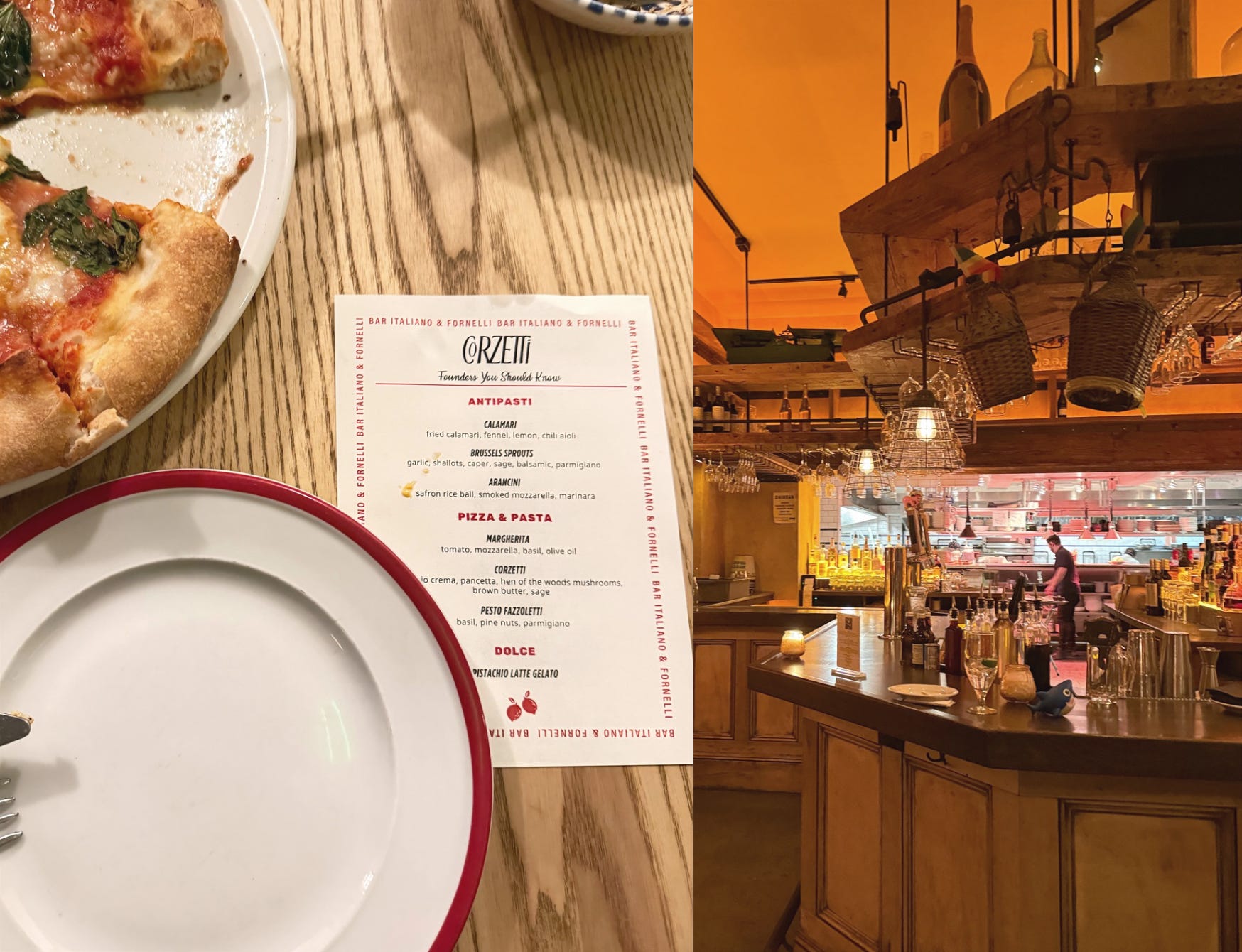
Over the past few weeks, we’ve hosted a set of intimate dinners with founders: a curated a room of talented engineers come together for good food, great company, and two hours of off-the-record conversation about the founder’s journey.
Why? Because job descriptions and funding announcements can’t capture what you learn when you’re seated across from a founder, asking them answer hard questions about their business model or hearing how they treat their team. That intimacy only happens in small rooms, and it’s often what tells you whether the fit is real.
These evenings became a masterclass in real-world due diligence. After two hours of candid questions, how could attendees at our dinners tell if a founder was the real deal? These five signals provided the clearest answers.
Does the founder’s obsession feel real?
There is an ineffable quality to genuine passion that you can only really sense in person.
Juan Lozano founded Mariana Minerals a little over a year ago with no experience in the mining industry. In the time since, he’s acquired an extraordinary depth of mining knowledge—enough to impress industry veterans at the dinner and convince them he’s been in the sector his entire career. His obsession for solving real problems in mining comes through unmistakably in conversation.
How do they handle interruptions and challenge?
Intimate conversations allow for natural interjection. You can test assumptions and push back on ideas in real time. The best founders treat interruptions and tough questions as part of the conversation, not a threat.
At our dinner with Varun Sivaram of Emerald AI, he recognized that energy problems can be approached from many angles. Still, he’s unapologetically firm in Emerald’s strategy—their GTM is shaped by a set of hard-earned beliefs about what will win in the market. He stood his ground while welcoming debate, demonstrating the kind of respect and confidence that makes for productive disagreement.
Are they self-aware?
Self-awareness shows up in how founders discuss their own strengths and weaknesses. Can they acknowledge when it’s better to step back and let others lead? Can they identify who to call on for expertise when needed?
Adam Guild shared that while he steers the vision at Owner, he doesn’t have the deepest context on every product decision. He trusts his engineers and product leaders to make the tough calls. This self-awareness earned credibility. It was clear he’s thought carefully about when to step back for the good of the company.
Are they honest about difficulties and unknowns?
Good founders don’t assume they have all the answers. Saying “I don’t know, but here’s how we’re thinking about it” becomes a green flag when paired with sound reasoning.
Rune Kvist recognized it’s going to be an uphill battle at the AIUC to define a new standard for an evolving category of AI safety; he earned credibility from attendees by articulating exactly what needs to happen for the business to work. His honesty about the levers their pulling, the risks they’re navigating, and their strategy for handling unknowns made a compelling case that his team is the one to bet on.
How do they treat their team?
A founder’s behavior toward their team might be the most important signal for a potential new hire. You can gauge this by listening to how they talk about their employees: Can they cite initiatives started by engineers? Do they give praise, ownership, and delegation?
Adam shared what he’s most proud of: his team’s bottom-up approach to building features. When engineers surface customer feedback, it often becomes a live feature within days. Internal hackathon projects get real support and turn into beloved product tools. Engineering ideas are taken seriously, and he gushes about how talented his team is. Attendees left thinking “this is the type of person I want to work for.”
These insights only emerged because engineers had the chance to sit across the table from founders, ask hard questions, and watch how they responded. If you’re evaluating your next move in tech, these dinners offer something no job posting or LinkedIn profile can: unfiltered access to the leaders you’d be betting your career on.
More dinners are coming, and spots are limited by design: small groups create the space for the conversations that matter. If you want to be in the room where you can assess conviction, self-awareness, and team culture firsthand, apply to join the community to receive bespoke invites.
This article arrives perfecly. The ineffable quality of obsession feels like identifying a true artist.
Self awareness is the key to winning the long game as founders for sureeee